
Modern living spaces are expected to do more than simply provide shelter. They must support work, relaxation, entertainment, and personal well being within the same environment. As lifestyles continue to evolve, homes are becoming Multi functional spaces that reflect both comfort and efficiency. Designing a living space that supports modern needs involves thoughtful planning, smart organization, and intentional design choices that enhance daily life.
Designing for Comfort and Relaxation
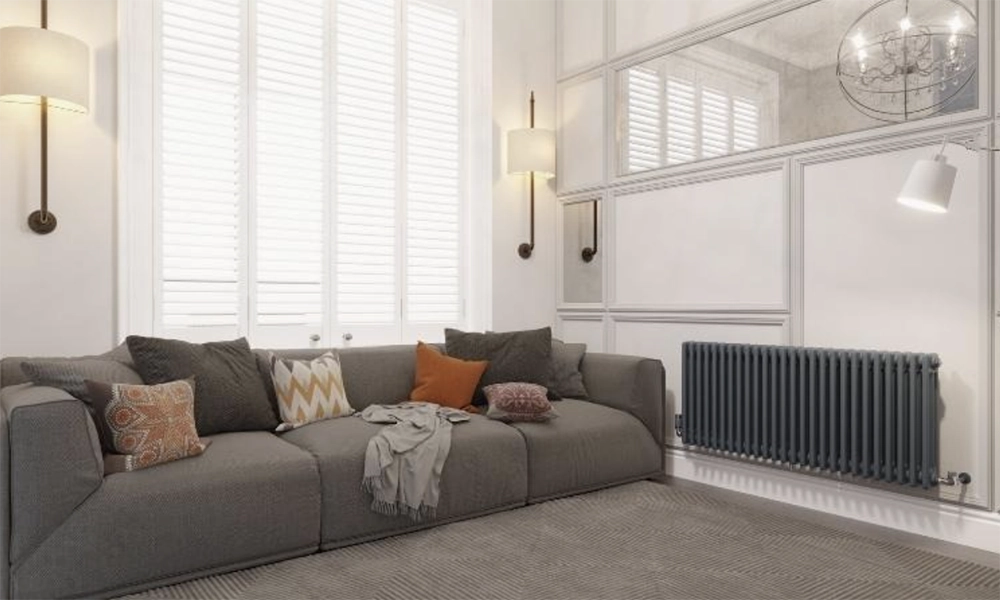
Comfort remains the foundation of any functional home. Soft textures, supportive furniture, and soothing color palettes create an environment where residents can unwind after long days. Neutral tones combined with warm lighting help reduce visual stress and promote relaxation.
Ergonomic seating, layered lighting, and breathable fabrics enhance physical comfort while also improving mental ease. In a world filled with constant information and headlines about business news australia, creating a calm interior can help reduce stress and provide a peaceful retreat from daily pressures.
Maximising Functionality in Multi Purpose Spaces
Modern lifestyles require homes to serve multiple roles. A living room may double as a workspace, a dining area can function as a meeting space, and bedrooms often serve as personal retreats and productivity zones. Smart zoning allows each area to maintain its purpose without creating clutter.
Modular furniture, foldable desks, and storage ottomans help maximize available space. Vertical shelving and hidden storage solutions keep rooms organized while maintaining visual appeal. When each item has a designated place, the home feels more open and manageable.
Integrating Smart Technology for Modern Living
Technology plays a significant role in supporting modern lifestyles. Smart lighting, climate control systems, and voice activated devices increase convenience while improving energy efficiency. Home automation allows residents to control comfort settings with minimal effort.
Entertainment systems and connected devices also contribute to lifestyle comfort. Whether streaming content, reading news, or exploring apps like pinsyflix, technology enhances convenience and accessibility while supporting leisure and relaxation.
Creating Visual Balance and Personal Expression
A functional living space should reflect personal identity while maintaining visual harmony. Decorative elements such as artwork, plants, and meaningful objects add personality without overwhelming the space. Indoor plants improve air quality while contributing to a calming atmosphere.
Balanced layouts prevent overcrowding and promote easy movement. Open floor plans combined with well placed furniture create flow and allow natural light to enhance the environment.
Organising for Efficiency and Peace of Mind
Clutter can disrupt both functionality and mental clarity. Organized storage systems simplify daily routines and reduce stress. Entryway organizers, labeled storage containers, and minimalistic furniture designs help maintain order.
When everything is arranged logically, daily tasks become more efficient, allowing more time for relaxation and personal pursuits. A well organized space supports productivity while promoting peace of mind.
Designing Spaces That Support Digital and Social Lifestyles
Modern homes must accommodate digital engagement and social interaction. Comfortable seating arrangements encourage conversation, while dedicated tech areas support virtual communication and remote work.
Digital connectivity allows residents to stay informed and engaged. Whether exploring trending topics or learning fun features like planets on snapchat, a comfortable space ensures technology use remains enjoyable rather than overwhelming.
Balancing Inspiration and Practical Living
A well designed home inspires creativity while remaining practical. Displaying books, travel memories, or motivational quotes can encourage inspiration and positive thinking. Even curiosity about topics such as president net worth or comparing global president net worth can spark conversations and learning within a welcoming home environment.
Lighting plays a key role in balancing inspiration and function. Natural light boosts mood and productivity, while adjustable lighting allows spaces to transition from work mode to relaxation mode effortlessly.
Conclusion
Creating a comfortable and functional living space requires thoughtful design, smart organization, and attention to modern lifestyle needs. By focusing on comfort, functionality, technology integration, and personal expression, homeowners can build environments that support both productivity and relaxation.
A well planned home becomes more than a place to live. It becomes a supportive space that enhances daily routines, encourages well being, and adapts to the evolving demands of modern life.